




what is low back pain?
lower back pain affects over 80% of all people at some time in their life and represents the most common reason for workplace absence. symptoms can be extremely painful and debilitating — but they’re also highly treatable.
the causes are numerous, though poor posture and insufficient exercise rank among the most prevalent. modern sedentary lifestyles — with prolonged sitting during breakfast, commutes, desk work up to eight hours daily, and evening activities — contribute significantly. the body requires movement: synovial joints in the spine secrete lubricating fluid only during motion.
extended sitting also stresses the intervertebral discs. slouched positioning compresses the disc’s front, pushing the nucleus backward and potentially causing bulging that irritates nearby pain-sensitive structures. other causes include degenerative conditions — osteoarthritis, spondylosis, ankylosing spondylitis, osteoporosis — trauma from sports injuries or accidents, and internal-organ conditions referring pain to the back.
what it feels like.
where the pain is
- in the centre of the low back
- to the right
- to the left
- radiating to the buttocks and thighs
how it feels
- constant
- intermittent
- sharp
- shooting
- dull
- achy
triggers & relief.
makes it worse
- bending
- twisting
- lifting
- prolonged sitting
- driving
- putting socks and shoes on
usually helps
- ice
- heat
- lumbar support
- medication
- changing posture
- exercise
how we treat it.
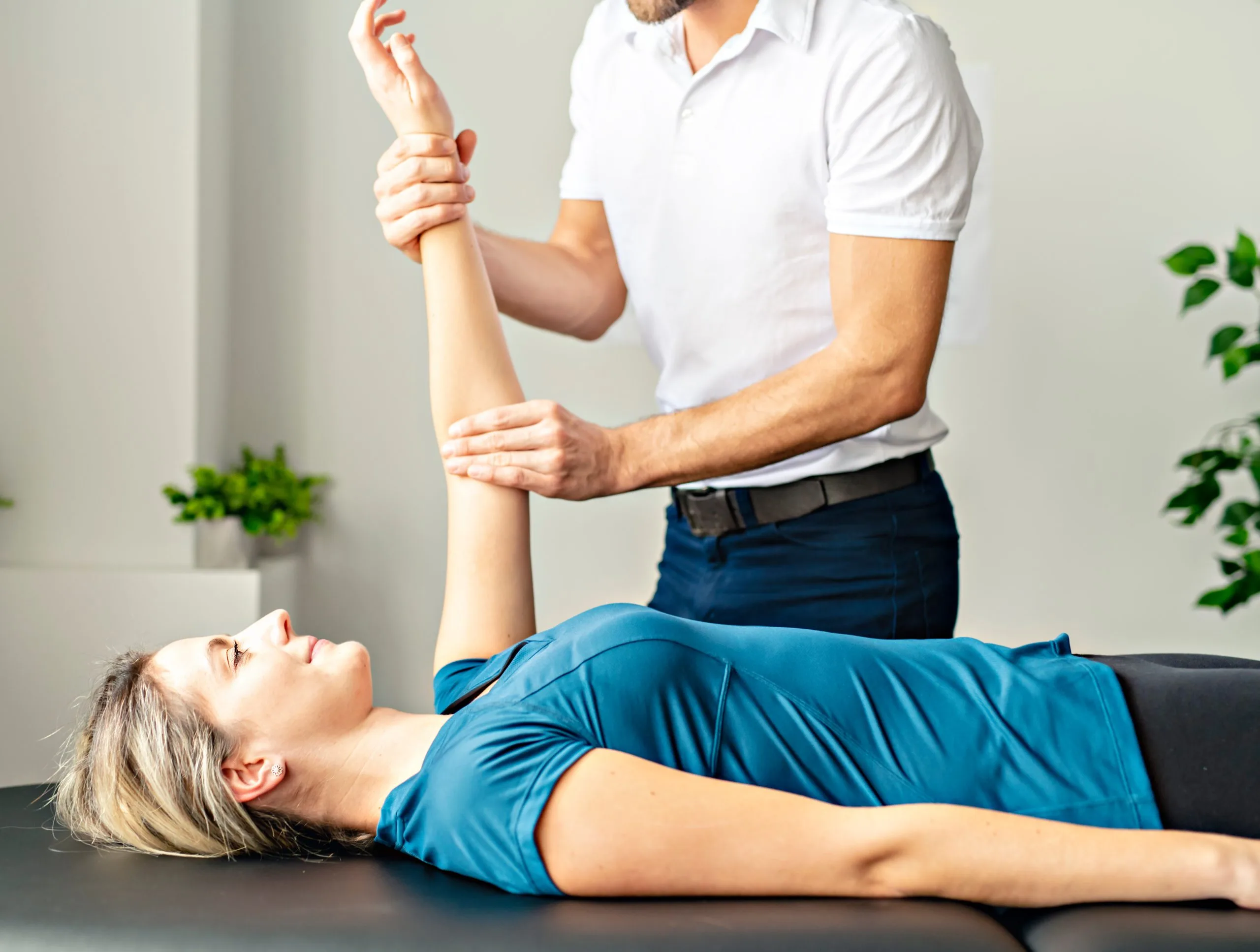
we start every journey with a thorough assessment — the right diagnosis is the foundation of successful treatment. depending on what we find, we typically combine several of the following:
- joint mobilisation and manipulation
- specific soft-tissue massage and mobilisation
- progressive core stability and functional exercise rehabilitation
- postural and ergonomic advice
- muscle energy techniques
- acupuncture and dry needling
- sports and functional fascial taping
private referrals for x-ray or mri imaging are available, with appointments typically within 48 hours and results in 3–5 days.
faqs.
do i need a gp referral?
no — you can book directly with us. if you're using private medical insurance (aviva, vitality, wpa, axa and others) your insurer may require a referral; check your policy before booking.
how many sessions will i need?
most patients resolve acute issues in three to six sessions. chronic or complex cases can take longer. we'll give you an honest timeline at your first assessment.
what should i bring?
something you can move in — shorts and a t-shirt for lower-limb work, a vest for shoulders. we have changing rooms if you're coming straight from work.
how soon can i be seen?
we always strive to have same-day availability, and evening and saturday morning slots are available.